What's on the V0.x Roadmap for TTK Testing Upcoming Modes
TTK Testing upcoming modes are split across three pillars the dev team has been teasing since the V0.03 patch, and players who care about long-term progression need to map each pillar to a release window. According to the TTK Testing on Roblox — official game page, the studio behind the build is targeting co-op PVE squad AI, story-based doorkicker missions, and team-based PVP as the three lanes that will replace the current Quick Play loop by the time V1.0 ships. The same source notes the live build sits at V0.09 as of September 2026, which means the roadmap is no longer a wishlist — the foundational systems are already wired in and the team is now tuning balance rather than designing from scratch.
The second pillar, competitive matchmaking, is what most players associate with the term "TTK Testing new modes" when they search for the latest patch notes. Community testing on the public DevForum thread has confirmed that the studio is treating Ground War and the upcoming ranked ladder as two sides of the same coin, because both depend on a unified team balancer that the team is still stress-testing. For context on how the current match types slot into the broader structure, our breakdown of the existing testing-phase game modes walks through the Quick Play, Hardpoint, and FFA formats that ship today.
Players who jump in expecting a finished ranked experience right now will be disappointed, because the V0.x build only exposes ranked-style scoring in private lobbies. The official game page is clear that the ranked queue is gated behind a matchmaking rating backend that the team has not yet enabled, which is why every "TTK Testing ranked mode" thread in the community right now is about workarounds rather than real ladder play. Until that backend flips on, the most useful thing a player can do is learn how the scoring actually works, because the placement matches that will open in the next milestone will use the same hidden-MMR formula the test build is collecting data on.
Ranked Mode: How the Ladder Will Work
The TTK Testing ranked mode the studio is building follows a familiar but deliberately stripped-down design, because the team has been vocal about not wanting to ship a ranked ladder that mimics Call of Duty's SR system. According to the official DevForum thread, the ladder will run on placement matches first, then settle into a numeric rating that updates after every set, with a visible rank tier that is decoupled from the raw number to avoid discouraging new players during calibration. The team's stated goal is to make the first ten matches feel like training rather than a trial by fire, which is why the placement threshold is set higher than the post-placement threshold.
| Ranked Element | Current Test Build Behavior | Planned V0.x+ Behavior |
|---|---|---|
| Placement matches | Available in private lobbies only | Public queue, 10 matches, calibration window |
| Rating update | Hidden, not visible to player | Visible numeric rating after each set |
| Rank tier | No tier displayed | Bronze through Apex tiers, tied to rating bands |
| Decay | None | Inactivity decay after 7 days without a set |
| Restrictions | No restrictions | Solo queue only at launch, duo queue later |
The team's working assumption, based on comments in the DevForum thread, is that solo queue will ship first because duo queue introduces coordination advantages that the V0.09 balancer cannot yet price correctly. Duo queue is on the roadmap, but the studio has not committed to a specific patch because the underlying party-Elo math still has edge cases that show up in 1v1 mirror rounds. For players who want a preview of how the current Quick Play rotation feeds into competitive fundamentals, the PVE vs PVP difference guide is a useful reference point, because both lanes share the same map voting and spawn logic.
The key takeaway for anyone planning to grind the ladder on day one is that the V0.09 test build already records match data that the studio uses to tune placement thresholds, which means the matches you play now are shaping the calibration curve you will face later. This is also why the team has been explicit that early ranked players should expect bracket volatility, because the calibration window is intentionally noisy to surface outlier players before the rating hardens.
Competitive Matchmaking: Match Types and the Rotation Logic
The TTK Testing competitive mode conversation is really a conversation about the match types that will populate the queue once matchmaking goes live, because the team has signaled that Quick Play and ranked will share the same match pool rather than splitting into separate ecosystems. Based on the roadmap comments, the rotation will pull from six core match types during a given play session, weighted by player count and queue pressure. The current test build already exposes five of those six in Quick Play, which means the matchmaking layer is the missing piece rather than the content layer.
| Match Type | Team Size | Objective | Status in V0.09 | Planned for Competitive |
|---|---|---|---|---|
| Free-For-All | 8 players | Highest kill count wins | Live | Yes, solo queue only |
| Team Deathmatch | 4v4 | Most total kills | Live | Yes |
| Hardpoint | 4v4 | Hold rotating zones | Live | Yes |
| Search and Destroy | 5v5 | Round-based, no respawn | In test | Yes, primary ranked format |
| Ground War | 8v8 | Objective-based, large maps | In test | Yes, weekend queue |
| Doorkicker Missions | 4-player squad | Co-op PVE extraction | In test | No, PVE-only lane |
The rotation logic, according to the DevForum thread, uses a weighted randomizer that biases toward match types the player has not played in the last 30 minutes, which is a design choice the team made to fight queue fatigue in long sessions. Search and Destroy is the format the team has been leaning on most for ranked calibration, because its round-based structure produces clean win/loss signals that the rating algorithm can ingest without needing to model economy swings. If you want a deeper look at the team-based match types that anchor the current rotation, our Ground War mode breakdown covers the objective flow and the spawn windows the team is still tuning.
For competitive-minded players, the practical implication is that the match types you practice now are the same match types you will play in ranked, with one important exception: Search and Destroy is currently only available in private lobbies, and the public queue version will ship alongside the ranked backend. The team has been testing S&D balance for several V0.x builds, and the most recent community testing notes suggest that the round timer and plant/defuse timers are close to final, even if the per-round economy still needs work. This is also the format where weapon tuning matters most, because a single rifle's time-to-kill can swing a round that the rest of the economy cannot recover.
Map Pool and Rotation Schedule
The map pool for competitive play will be smaller than the Quick Play pool, because the team is following the same logic most tactical shooters use: the ranked map pool rotates weekly to force strategic depth rather than letting players optimize a single map. The current V0.09 test build exposes eight maps across the live match types, and four of those maps are flagged as ranked-eligible in the internal balance notes the team has shared in the DevForum. The rotation cadence the studio has hinted at is one map swap per week, with a hard reset at the start of each season so that returning players can learn the new pool in a controlled window.
Team-Based PvP: Squad Sizes, Roles, and Mode Synergy
The TTK Testing team based PvP pillar is where the V0.x roadmap gets most ambitious, because the studio is trying to ship a system where the same player can queue into a 4v4 Hardpoint match and a 4-player co-op doorkicker mission without changing loadouts. According to the official game page, the team is targeting a shared loadout system across both lanes so that the time a player invests in mastering a weapon transfers between PVE and PVP. This is a meaningful design choice, because most tactical shooters split the loadout trees and force players to grind twice.
| PvP Format | Player Count | Shared Loadout? | Status | Notes |
|---|---|---|---|---|
| Team Deathmatch | 4v4 | Yes | Live | Baseline for balance testing |
| Hardpoint | 4v4 | Yes | Live | Most played format |
| Ground War | 8v8 | Yes | In test | Larger maps, vehicle slots planned |
| Search and Destroy | 5v5 | Yes | In test | Ranked format candidate |
| Squad Extraction | 4-player | Yes (PvPvE hybrid) | In design | Combines PvE and PvP lanes |
The team-based PvP work also includes role differentiation, which is the part of the roadmap the community has been most vocal about. The DevForum thread mentions that the team is testing soft-role mechanics — gadget picks rather than hard classes — so that a player can flex between an entry fragger and a support role without changing their core weapon. The studio has been clear that hard classes are not on the table, because the V0.x build deliberately avoids role locks to keep queue times short. For a deeper dive into how squad play works in the current build, our squad guide for new players covers the callouts and positioning fundamentals that will carry over into the new team formats.
The PvPvE hybrid the team is calling Squad Extraction is the most speculative item on the roadmap, because it depends on the doorkicker mission system shipping first. The design sketch in the DevForum thread describes a four-player squad that drops into a PVE mission, completes an objective, and then has to extract against a PvP player lobby that spawns in to intercept. This is a high-complexity feature and the team has not committed to a release window, but it is the kind of mode that fits the broader tactical-FPS direction the studio has been pursuing.
Squad Coordination Mechanics Already in Test
Two coordination mechanics are already live in the V0.09 test build that will matter for the new team-based modes: map voting between rounds and the Helmet Cam first-person spectator view. Map voting gives squads a way to veto a map they have already played twice, which is a small but important quality-of-life feature for ranked play where the same map can otherwise show up three matches in a row. The Helmet Cam view, bound to the P key per the official game page, lets dead players keep watching from a teammate's perspective, which is a meaningful feature for team-based play because it preserves tactical information that other shooters lose on death.
Mode Rotation, Mode Voting, and Player Choice
The TTK Testing mode rotation system is one of the more interesting design choices on the V0.x roadmap, because the team is treating rotation as a player-facing feature rather than a backend scheduling concern. The community has been asking for more direct control over which mode they queue into, and the team's response, as documented in the DevForum thread, is a soft-preference system where the weighted randomizer reads the player's last 30 minutes of play and biases the next match toward something the player has not recently played. This is a compromise between forced variety and player autonomy, and it is the kind of design that tends to age well once players learn to read the bias.
| Rotation Feature | Status in V0.09 | Planned for V1.0 |
|---|---|---|
| Weighted randomizer | Live in Quick Play | Shared by Quick Play and ranked |
| Player mode preference | Not exposed | Soft preference based on recent play |
| Map voting between rounds | Live | Retained in ranked |
| Hard veto of a map | Not exposed | Per-session veto budget |
| Cross-mode queue | Not supported | Planned for Squad Extraction era |
The soft-preference system, once it ships, will be the answer to most "how do I avoid three Hardpoint matches in a row" complaints, because the randomizer will see the repetition and weight toward a different mode. The team's working assumption is that hard vetoes create a different problem — queue starvation for low-population modes — which is why the soft bias is the design they are committing to. For players who want to see how mode voting works in practice today, the FFA mode guide walks through the spawn flow and cover spots that define the FFA maps in the current rotation.
The cross-mode queue, where a player can queue for "any 4v4 mode" and the system picks between Hardpoint and TDM based on population, is the most ambitious item on the rotation roadmap. The team has signaled that this will arrive after Squad Extraction, because the cross-mode queue depends on the same matchmaker infrastructure that will power ranked. The realistic timeline, based on the studio's public comments, is that cross-mode queue will land in a post-V1.0 patch, which means players who want it now should be ready to wait at least one full milestone.
Community Feedback and the Public Test Branch
The team's public test branch has been the single biggest driver of the current rotation design, because every V0.x build is exposed to community testers before it goes wider. According to community data shared in the DevForum thread, the team has run at least four rotation experiments over the V0.05 to V0.09 stretch, and the soft-preference randomizer emerged as the design that produced the lowest quit rate in mid-session players. The team has been explicit that future rotation changes will follow the same public-test pattern, which means players who want to influence the system should be testing the V0.10 build when it opens.
What to Practice Now Before Ranked Goes Live
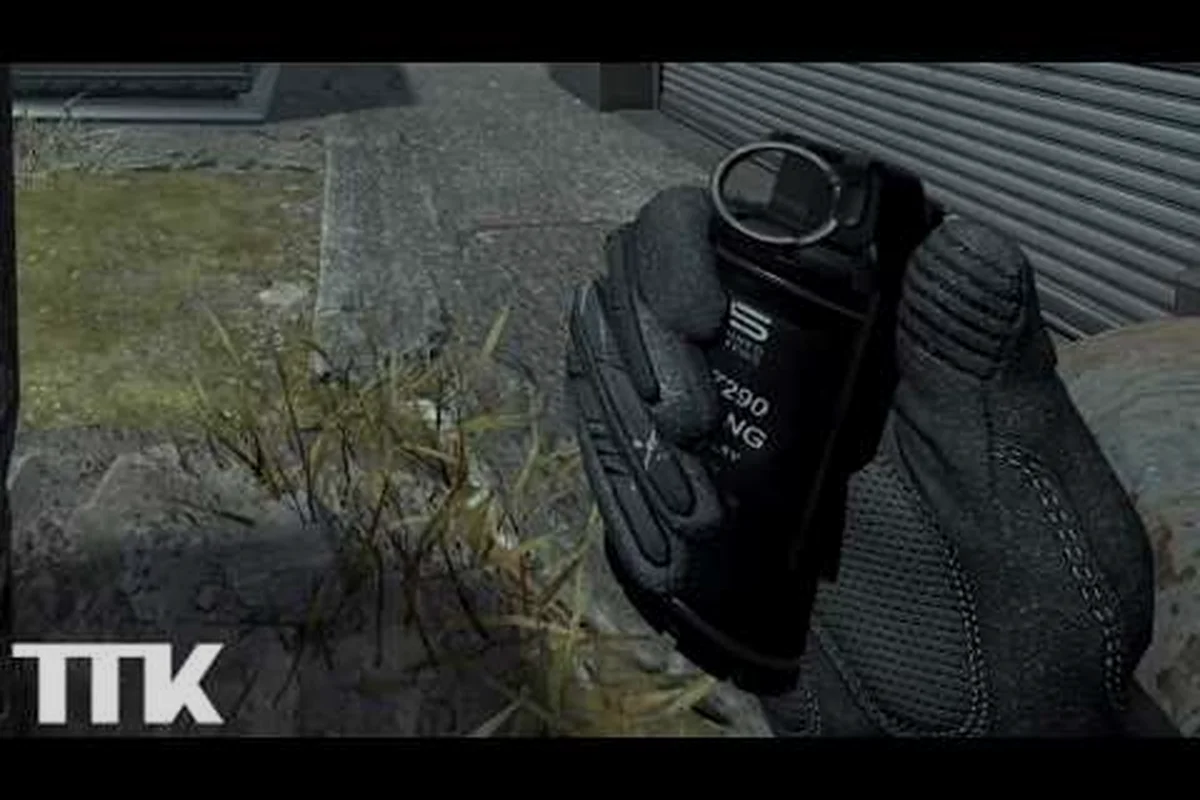
Players who want to be ready when the ranked queue flips on should be treating the current V0.09 build as a calibration period, because the match data the studio is collecting right now will shape the placement thresholds that ship with the ladder. The first thing to lock in is weapon mastery, because the time-to-kill tuning that the team has been iterating on since the V0.03 patch — when the new pistol and flash grenade arrived, as shown in this V0.03 update walkthrough — directly affects how rounds resolve in Search and Destroy. The second thing to lock in is map knowledge, because the V0.09 build exposes all four ranked-eligible maps in Quick Play, which means the practice environment is already there for anyone willing to grind.
| Skill Area | Why It Matters for Ranked | Where to Practice Now |
|---|---|---|
| Weapon TTK awareness | Determines round outcomes in S&D | Quick Play Hardpoint, TDM |
| Map callouts | Shared language with random teammates | All Quick Play modes |
| Spawn logic | Predicting enemy positions in 4v4 | Hardpoint, TDM |
| Economy (S&D) | Buy-round decisions decide late rounds | Private lobbies with S&D enabled |
| Positioning | Foundation for all team-based modes | Ground War test lobbies |
The most important habit to build right now is reviewing your own gameplay, because the studio's DevForum thread has been clear that placement matches will be calibrated against the population's average, and the only way to know if you are above or below that average is to watch your own VODs. The Helmet Cam spectator view, which the official game page pins to the P key, is the easiest way to do this in-game, because it lets you record a match and then watch the round flow from a teammate's perspective after the fact. Players who build this habit now will have a meaningful edge when placement matches start, because the calibration window is short and there is no second chance to set your initial rating.
The final habit is patience, because the V0.09 build is going to feel different from the V1.0 ranked build in ways the community cannot fully predict. The team has been explicit that weapon balance, spawn logic, and the rotation randomizer will all see at least one more tuning pass before the ranked queue opens, which means the meta you learn now is a moving target. The players who will do best on day one of the ladder are the ones who treat the current build as a practice tool rather than a finished product, and who show up to placement matches with fundamentals instead of memorized meta.
Frequently Asked Questions
When will TTK Testing ranked mode actually launch?
There is no confirmed release date for TTK Testing's ranked mode — the V0.x roadmap on the official DevForum thread still lists co-op PVE Survival, doorkicker Missions, standard Quick Play, and large-scale Ground War ahead of any ladder system, with the live build sitting at V0.09. Expect ranked to land after those team-based PvP rollouts and matchmaking rotation logic are stable, so practice Hardpoint and FFA in the current rotation to stay ready.
What match types will be in the TTK Testing competitive mode pool?
The competitive pool will pull from Free-For-All, Team Deathmatch, Hardpoint, Search and Destroy, and Ground War, with Search and Destroy positioned as the primary ranked format because its round-based structure produces clean rating data. Doorkicker Missions and Squad Extraction will stay in the PVE and PvPvE lanes rather than the competitive PVP queue.
How does the TTK Testing mode rotation decide what I play next?
The rotation uses a weighted randomizer that biases toward match types the player has not played in the last 30 minutes, which is a design choice the team made to fight queue fatigue. The system will gain a soft player-preference layer in a post-V1.0 patch, but hard mode vetoes are not on the roadmap because the team is worried about queue starvation in low-population modes.
Will my Quick Play stats carry over to TTK Testing team based PvP ranks?
No, the team has confirmed that Quick Play and ranked will use separate rating pools, because the V0.09 Quick Play data is being used to calibrate the placement thresholds rather than seed the ladder itself. Placement matches will set your initial rating from scratch, with the calibration window producing bracket volatility for the first ten sets.
Can I queue for multiple TTK Testing match types at once?
Cross-mode queue is on the post-V1.0 roadmap but is not in the current V0.09 build, because the feature depends on the same matchmaker infrastructure that powers ranked. The realistic timeline is that cross-mode queue will land alongside or just after Squad Extraction, which is the next major mode the team is designing.