Picking the right TTK Testing sniper scope is the single biggest lever you have for converting hits into eliminations at long range, and the V0.04-era gunsmith system makes that decision more granular than ever. Transparent optics, mil-dot reticles, variable zoom steps, and the Helmet Cam toggle on the P key all change how a scope behaves when both eyes are open. This guide breaks down every scope tier in the current build, pairs each sight with the right barrel and stock attachment, and explains how the angled grip and muzzle brake chain together so you can build a sniper platform that actually holds zero past 150 meters. For a deeper look at how grip geometry changes hand fatigue during long sessions, the Ttk Testing Ergo Grip breakdown compares angled, vertical, and pistol-grip profiles side by side with recoil-trace data.
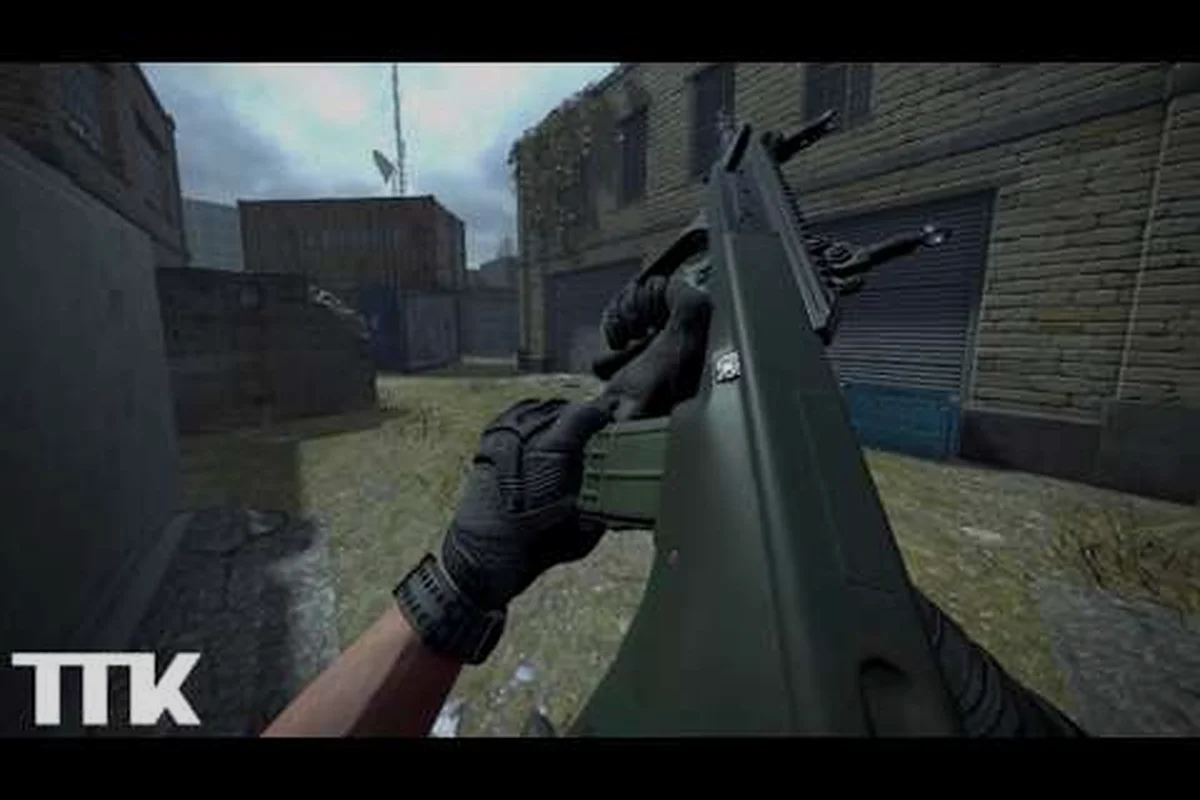
For sniper builds focused on maximizing headshot damage, the Sniper Scope's zoom mechanics are best understood through hands-on demonstration rather than written guides, making video walkthroughs a particularly useful resource for visualizing the scope's effective range and bullet drop at distance.
Why the TTK Testing Sniper Scope Slot Matters More Than Other Attachments
On a DMR or battle rifle the optic is a nice-to-have, but on a sniper rifle the TTK Testing sniper scope defines the weapon's identity. A 6x mil-dot behaves like a completely different gun than a 3.5x variable with a horseshoe reticle, and the Helmet Cam + Transparent Optics combo essentially gives you a third option that sits between the two. Because sniper rifles in the current build have slow cycle times and punishing flinch, missing your first shot usually means losing the duel — which is why the sight you mount, and the way you configure it, is more important than the rifle chassis underneath.
The gunsmith system introduced in V0.04 added a dedicated optic slot for sniper platforms, alongside barrel, muzzle, grip, and stock attachment slots. That makes sniper builds the only class where every single slot is consequential: changing the barrel swaps velocity, changing the stock changes ADS sway, the angled grip cuts first-shot latency, and the muzzle brake softens the brutal vertical kick on follow-up shots. If you treat the TTK Testing sniper scope as just a zoom knob, you will leave real DPS and real hit-rate on the table.
A demonstration of the TTK testing sniper scope in action can be seen in this gameplay video, which walks through the timing and damage output of consecutive headshots against a stationary target.
Sniper Engagement Ranges in the Current Build
| Range Band | Typical Engagement | Recommended Optic Tier | Headshot Feasibility |
|---|---|---|---|
| 0–40 m | CQB peek shots | Red dot / holographic override | High |
| 40–90 m | Mid-range lane holds | 2.5x–3.5x variable | High |
| 90–150 m | Long lanes and rooftops | 4x–6x mil-dot | Moderate |
| 150–250 m | Cross-map angles | 8x–10x mil-dot | Low–Moderate |
| 250 m+ | Reserve / story-mode sniping | 12x fixed mil-dot | Low |
Most PVP and PVE firefights in TTK Testing resolve between 40 and 150 meters, which is exactly the band where a 3.5x variable or a 6x mil-dot shines. Pushing past 200 meters is rare outside of Ground War lanes and select story missions, so chasing a 12x scope as your only optic usually hurts more than helps.
TTK Testing Sniper Scope Tier List and Zoom Behavior
The sniper scope roster in the current V0.09-era build spans five practical reticle families, each with a distinct zoom curve and feel. The Transparent Optics setting in the Settings menu changes how the lens renders when both eyes are open, which is why many players treat it as a sixth option rather than a simple visual toggle.
| Scope | Zoom Steps | Reticle | Best Use | Notes |
|---|---|---|---|---|
| Variable Combat 2.5x–6x | Click-zoom between 2.5x and 6x | Horseshoe + center dot | 40–120 m versatile | Fastest target acquisition in the line |
| Mil-Dot 4x Fixed | 4x only | Duplex with mil hash marks | 80–150 m precision | Cheapest scope in the sniper tree |
| Mil-Dot 6x Fixed | 6x only | Crosshair with mil spacing | 90–180 m lanes | Most popular DMR pairing |
| Variable Marksman 4x–12x | Click-zoom between 4x and 12x | Fine mil-dot + holdovers | 120–250 m | Needs steady stock + ergo grip |
| Fixed 10x Benchrest | 10x only | Christmas-tree hold grid | 200 m+ | Niche, mostly PVE bench role |
The Variable Combat 2.5x–6x is the most forgiving entry optic because it lets you click between close-quarters speed and long-lane precision without re-equipping. The Mil-Dot 6x Fixed is the workhorse most players settle on once they learn to read holdovers, and it pairs especially well with a TTK Testing angled grip because both attachments reward clean trigger discipline. The Variable Marksman 4x–12x is the choice when you specifically want a single scope that can reach across Ground War sightlines, but its narrow field of view at 12x makes it punishing on snap targets.
Transparent Optics vs Helmet Cam
The official game page notes that Helmet Cam is bound to the P key and that Transparent Optics is recommended in Settings to simulate both eyes open for better visibility through optics. In practice this means the lens reticle stays crisp while the area outside the scope tube is rendered with reduced tunneling, which gives a much wider peripheral view during tracking. Players who main the TTK Testing sniper scope almost always leave Transparent Optics on once they adapt, because the wider peripheral awareness makes close-range transitions survivable without dropping the high-zoom reticle.
Barrel, Muzzle, and Muzzle Brake Pairings for Sniper Builds
Sniper rifles in TTK Testing have a dedicated barrel slot, and the right TTK Testing barrel attachments dramatically change how the scope behaves. A heavy fluted barrel tightens first-shot grouping at the cost of swap speed, while a lightweight pencil barrel does the opposite. Since most sniper duels are decided by the first trigger pull, the heavy profile is almost always the correct choice for pure precision roles, and the lightweight profile only wins when the build is designed around aggressive quickscoping.
The muzzle slot is where the TTK Testing muzzle brake lives, and it is the single most important attachment for follow-up shot cadence. Without a brake, even a steady 6x mil-dot scope will produce visible muzzle rise that pushes the second shot off target. The compensator-flavored muzzle brake in the current build pulls roughly 20–30% of vertical kick back toward the shooter, which means you can stay on target for the second shot inside the same breath cycle rather than waiting for a full reset.
| Attachment Slot | Precision Build | Quickscope Build | Budget Build |
|---|---|---|---|
| Barrel | Heavy fluted | Lightweight pencil | Standard |
| Muzzle | Muzzle brake | Suppressor (sound) | None |
| Optic | 6x mil-dot | 2.5x–6x variable | 4x mil-dot |
| Grip | Angled grip | Vertical grip | None |
| Stock | Marksman rigid stock | Light folding stock | Standard |
The suppressor-flavored muzzle option behaves very differently from a brake: it hides muzzle flash and softens the audio report, which makes it valuable for stealth play and for not giving away your position on a missed shot. For pure DPS math the muzzle brake wins, but for tactical play the suppressor has a real argument when you are holding a contested lane.
Stock Attachment and Angled Grip for Steady Holds
Scope sway is the silent killer of sniper accuracy, and the TTK Testing stock attachment slot is the primary defense against it. A rigid marksman stock reduces idle sway by a noticeable margin, especially when the player is holding breath at high zoom, while a lightweight folding stock cuts swap speed and movement ADS penalty at the cost of more wobble. Pairing the right stock with the right grip is what turns a sniper rifle from a one-shot novelty into a consistent elimination tool.
The TTK Testing angled grip is the grip of choice for most precision builds because it shaves first-shot delay (the small input lag between trigger pull and round exit) and improves the speed at which you recover from the muzzle climb of the previous shot. A vertical grip, by contrast, leans into sustained-fire recoil control — useful on a DMR but redundant on a sniper that is meant to land one round at a time. Many experienced players stack a TTK Testing laser sight on the bottom rail alongside the angled grip: the laser is technically a hipfire aid, but it also serves as a tactile confirmation that the gun is fully shouldered before you commit to a high-zoom shot, which is a small habit that meaningfully reduces early-pulls at 6x and above.
Recommended Sniper Loadout Templates
| Template Name | Scope | Barrel | Muzzle | Grip | Stock | Engagement Range |
|---|---|---|---|---|---|---|
| Lane Anchor | 6x mil-dot | Heavy fluted | Muzzle brake | Angled grip | Rigid marksman | 90–180 m |
| Versatile Hunter | 2.5x–6x variable | Standard | Muzzle brake | Angled grip | Standard | 40–120 m |
| Cross-Map Marksman | 4x–12x variable | Heavy fluted | Muzzle brake | Angled grip | Rigid marksman | 150–250 m |
| Stealth Spotter | 4x mil-dot | Lightweight | Suppressor | Vertical grip | Folding | 60–130 m |
| CQB Quickscope | Red dot override | Lightweight | None | Vertical grip | Folding | 0–50 m |
The Lane Anchor is the most reliable all-around sniper setup for both PVP and PVE, and it is the template most players should build toward first. The Versatile Hunter trades a bit of precision for the ability to click-zoom down to 2.5x when an enemy pushes unexpectedly, which makes it the safest pick for solo queue. The Cross-Map Marksman is a specialist build that only pays off in Ground War and on wide story-mission rooftops, while the Stealth Spotter and CQB Quickscope templates are situational and only worth slotting when the map design clearly calls for them.
Frequently Asked Questions
What is the best TTK Testing sniper scope for most players?
The 6x mil-dot is the best general-purpose TTK Testing sniper scope because it balances field of view, reticle clarity, and range headroom for the 40–150 m band where most fights happen. Pair it with a heavy fluted barrel, a muzzle brake, an angled grip, and a rigid marksman stock for the most consistent Lane Anchor build.
Should I enable Transparent Optics for the sniper scope?
Yes. Transparent Optics is recommended on the official game page because it simulates both eyes open and reduces the scope tube's visual weight, which is especially helpful at 6x and above. Most players find that with Transparent Optics on, target acquisition at 4x feels almost like 2.5x while still keeping the mil-dot reticle sharp, so the setting is a strict upgrade for sniper play.
Is the angled grip better than a vertical grip for sniper rifles?
For precision single-shot play the angled grip is better because it cuts first-shot delay and speeds up recovery between shots, while a vertical grip primarily helps sustained-fire recoil control that snipers rarely need. Pair the angled grip with a muzzle brake and a rigid stock to get the most out of the TTK Testing sniper scope at long range.
Does the muzzle brake actually change sniper accuracy?
The muzzle brake does not change raw accuracy numbers, but it reduces the vertical climb enough that you can land a second shot inside the same breath window, which functionally raises your hit rate during duels. For any build that uses a 6x mil-dot or higher, the muzzle brake is the single biggest upgrade you can add after the scope itself.
Can I use a laser sight on a sniper rifle without hurting my accuracy?
A laser sight on a sniper rifle does not affect scoped accuracy and is often used by experienced players as a visual cue to confirm the gun is fully shouldered before committing to a high-zoom shot. It is a minor habit but a real one, and it pairs well with an angled grip and a rigid stock on a Lane Anchor–style build.