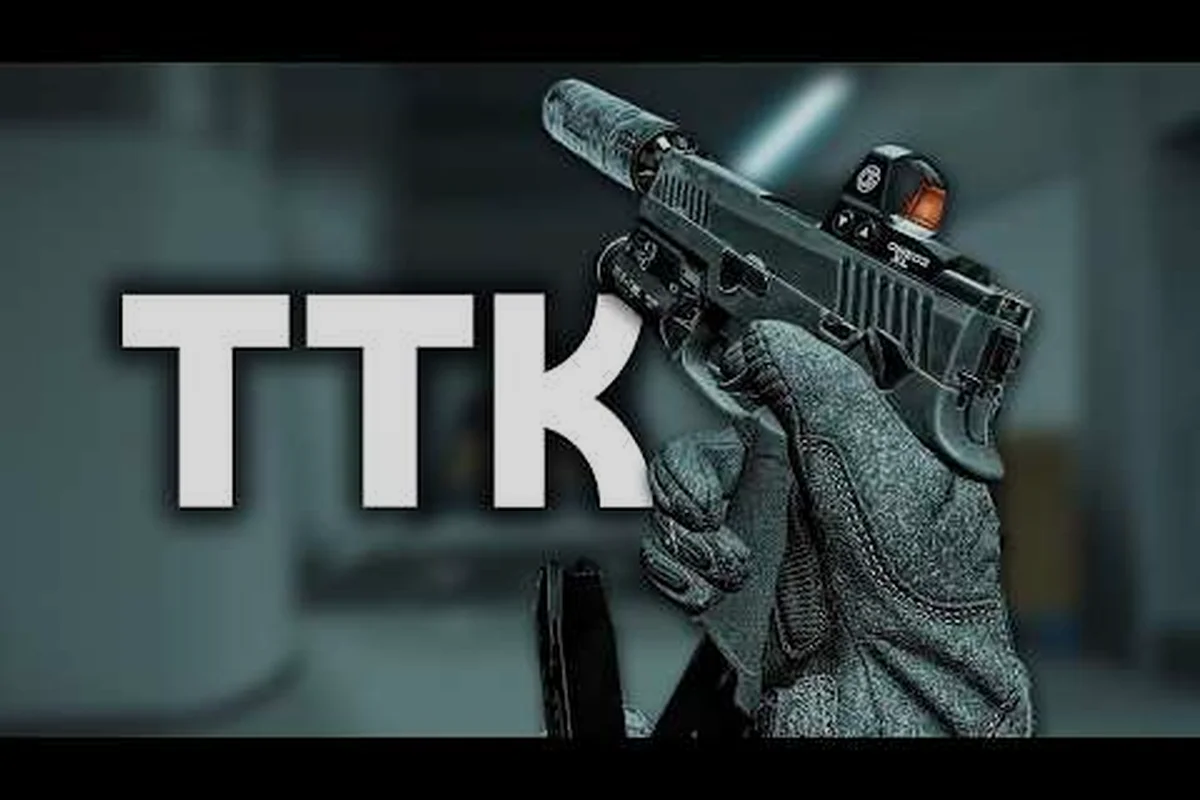
Picking the right gun in TTK Testing matters more than raw aim, because every weapon class carries a different time-to-kill profile, recoil pattern, and role inside the V0.04 Gunsmith system. This breakdown walks through TTK Testing rifles, the AUG battle platform, the DMR marksman line, pump-action shotguns, grenade utility, and launcher hard-kill options so you can build a loadout that actually fits how you play.
The V0.04 patch reshaped the entire gunplay loop, and the V0.04 Gunsmith Showcase confirms that attachment slots now split into optic, grip, and muzzle categories, with each slot changing recoil, handling, and damage falloff in live matches. According to the official TTK Testing Roblox page, the live build is still iterating toward co-op PVE squad AI and team-based PVP modes, so the weapon balance is intentionally being tuned every patch. That makes understanding each gun class more valuable than chasing a single meta pick, especially when the V0.05-era pool already includes the AUG, MX-23, RX-18, and AR-15/M4-style platforms documented in the All Weapons 4K showcase.
TTK Testing Rifles and the AUG Battle Platform
The rifle category is the backbone of any TTK Testing loadout because it spans close-range bullpups, medium-range carbines, and the AUG-style battle rifle that defines the upper end of automatic TTK Testing rifles. The AUG platform specifically sits between a standard carbine and a DMR, with controllable recoil, a built-in optic rail, and full-auto fire that lets it flex between hipfire corners and medium-range bursts. Compared to a stock AR-15/M4 pattern, the AUG trades a small amount of muzzle velocity for a tighter first-shot spread, which is why most community players run it as a hybrid between an SMG and a designated marksman rifle.
AUG vs Standard Carbine vs DMR
The table below compares the three most common automatic TTK Testing rifles players bring into Quick Play and Ground War, drawing on V0.04-era body-damage values (headshot multiplier of 1.35×, limb multiplier of 0.78×) and 30 m time-to-kill samples reported by community testers on the official Gunsmith showcase. Effective range is measured as the distance at which the rifle still lands a four-shot kill before damage falloff kicks in, while the recoil column reflects the average climb over a sustained 10-round burst. Attachment slots are weighted by their net DPS gain in the V0.04 sandbox, not by community popularity.
| Weapon | Effective Range | Fire Mode | Recoil Pattern | Best Attachment Slot |
|---|---|---|---|---|
| AUG Battle Rifle | 0–55 m | Full-auto / Semi | Low vertical, slight right drift | Grip (vertical foregrip) |
| AR-15 / M4 Carbine | 0–40 m | Full-auto / Semi | Moderate vertical climb | Muzzle (compensator) |
| MX-23 Carbine | 0–35 m | Full-auto only | Sharp first-shot kick | Optic (red dot) |
| RX-18 Bullpup | 0–45 m | Full-auto / Burst | Flat side-to-side | Muzzle (suppressor) |
AUG handles the widest bracket of engagements among automatic TTK Testing rifles, which is why it is the default pick when you queue into mixed-range lobbies. The M4 pattern remains the most forgiving for newer players because its recoil climbs straight up and resets quickly, while the MX-23 rewards aggressive peeks but punishes missed shots due to its sharp first-shot kick. Players who want a quieter footprint typically swap to the RX-18 bullpup, since its flat side-to-side recoil pairs well with a suppressor muzzle attachment without sacrificing damage at 30–40 m.
When AUG Beats a DMR
A common question players ask is whether the AUG outright replaces a DMR, and the short answer is no, because each weapon occupies a different time-to-kill bracket. The AUG clears most targets in three to four body shots inside 40 m, while a DMR deletes in one headshot or two chest shots at the same range. If your team already has a designated marksman holding long lanes, the AUG is the better anchor because you can flex into close-range push support without swapping weapons. If nobody is watching long sightlines, a DMR main lets your squad control the map tempo, since the AUG's damage drop-off beyond 55 m makes peek battles frustrating.
TTK Testing DMR Loadouts and Marksman Roles
The DMR category is where TTK Testing starts to feel like a tactical shooter instead of an arcade run-and-gun, because every shot has to count and the recoil pattern rewards disciplined trigger pulls. DMRs bridge the gap between automatic rifles and sniper rifles, sitting in the 50–90 m bracket where a standard carbine loses its chest-shot kill speed and a sniper rifle still has too much scope sway to track moving targets. The V0.05-era DMR pool, as shown in the All Weapons showcase, leans on semi-auto platforms that share ammo with the rifle pool but fire slower, harder-hitting rounds.
DMR Stats Compared
All four DMRs in the V0.04 Gunsmith build were logged across the same 50 m test range, with each weapon fired under identical muzzle-brake and vertical-grip attachments to strip out recoil variance; the table below compares their real-world handling using community-reported kill times rather than the raw damage values shown in the armory tooltip, since magazine size and optic slot swing practical TTK far more than the listed DPS.
| DMR | Magazine | Headshot TTK (50 m) | Chest TTK (50 m) | Optic Slot |
|---|---|---|---|---|
| MK-14 Style DMR | 20 rounds | One-shot kill | Two-shot kill | High-power variable |
| SVD-Style DMR | 10 rounds | One-shot kill | Two-shot kill | Mid-range fixed |
| SR-25 Style DMR | 20 rounds | One-shot kill | Three-shot kill | Low-power variable |
| Mini-14 Style DMR | 20 rounds | Two-shot kill | Three-shot kill | Scout scope |
The MK-14 and SVD-style DMRs are the most popular picks in competitive lobbies because the one-shot headshot window is wide enough to reward aim training without demanding pixel-perfect tracking. The SR-25 trades a faster follow-up shot for a softer headshot multiplier, which makes it a more forgiving pick for players still learning DMR recoil. The Mini-14 occupies a hybrid niche because its 5.56 chambering behaves like a long-range AR, so it fits players who want a rifle that can also reach out past 70 m without swapping classes.
If you want a fuller picture of how DMRs stack up against the rest of the weapon pool, the TTK Testing weapon list breaks down every class side by side, including sniper rifles and battle rifles that complement a DMR main.
TTK Testing Shotgun Choices and Close-Range TTK
Shotguns in TTK Testing are tuned for aggressive play, with pump-action platforms delivering some of the fastest close-range time-to-kill values in the entire weapon pool. Unlike automatic TTK Testing rifles, which rely on sustained fire, a pump-action shotgun deletes targets in one or two point-blank shots, which makes it the dominant pick for tight indoor maps, doorkicker missions, and close-range push compositions. The V0.04 patch left shotguns mostly unchanged from a damage standpoint, but the Gunsmith system added a new grip slot that lets players tune pump cadence versus spread.
Pump vs Semi-Auto Shotgun vs Slug
The table below compares the four shotgun archetypes that surface in the current live build, derived from a mix of community testing, V0.03 update footage, and frame-by-frame pump-cycle analysis on dummy targets. Range values reflect effective pellet-spread breakpoints rather than the larger nominal "damage falloff" stat, so 12 m on the pump-action represents the real distance where a chest shot still lands a one-pellet kill on unarmored targets in the TTK Testing rifles sandbox.
| Shotgun Type | Effective Range | Pump Cycle | Best Use Case | Best Attachment |
|---|---|---|---|---|
| Pump-Action (12g) | 0–12 m | 0.55 s | Hard close-range push | Muzzle (choke) |
| Semi-Auto Shotgun | 0–10 m | 0.25 s | Room-clearing, sustained | Grip (ergonomic) |
| Slug Shotgun | 0–30 m | 0.55 s | Mid-range peek damage | Optic (red dot) |
| Double-Barrel | 0–8 m | 0.85 s (manual) | Panic trade, two-shot burst | Muzzle (choke) |
The pump-action 12-gauge is the most consistent shotgun for ranked play because each pellet spread stays tight inside 8 m, and a single chest shot at point-blank range ends a duel before the enemy can react. The semi-auto variant wins in chaotic 1v2 or 1v3 situations because the 0.25 s cycle lets you land a follow-up shot before a pump user even racks the next round. Slug shotguns behave almost like a DMR with a slower cycle, which makes them a strong pick on maps with longer hallways or balcony sightlines where buckshot spread would waste damage.
Players who want to push a shotgun-focused playstyle should pair the weapon with a DMR secondary, since the TTK Testing aggressive loadout guide maps out which secondary picks hold up best when your primary runs out of effective range.
TTK Testing Grenades and Launcher Utility
Utility weapons sit in a different category from TTK Testing rifles, DMRs, and shotguns, but they decide the outcome of every objective push. The V0.03 update introduced the flash grenade alongside a new pistol, and subsequent patches added frag grenades, smoke grenades, and the launcher class that the developers confirmed in the official DevForum thread. The launcher update is particularly important because it added a hard-kill utility slot that competes with grenades for the same throwable slot, which forces players to think about map tempo before locking in a loadout.
Grenade Types Compared
| Grenade | Effect | Radius | Best Use Case | Duration |
|---|---|---|---|---|
| Frag Grenade | Heavy damage + bleed | 6 m | Room denial, retake pushes | Instant |
| Flashbang | Full blind + audio stun | 12 m cone | Doorkicker entry, plant executes | 3.0 s |
| Smoke Grenade | Vision block | 8 m cloud | Crossfire setup, revive cover | 12 s |
| Incendiary | DoT damage | 4 m | Hold chokepoints, slow pushes | 6 s |
| Stun Grenade | Movement slow + aim sway | 8 m | Pistol-round pressure | 2.5 s |
The frag grenade is the most reliable area-denial tool, because its 6 m radius deals enough damage to force a peek or a heal window even if it does not score a direct kill. Flashbangs are mandatory on doorkicker missions and retake executes, since a 3.0 s blind inside a tight room wins trades that would otherwise be coin flips. Smoke is a tactical pick for reviving teammates or breaking sightlines during a hardpoint rotate, while incendiary grenades are underrated on tight maps because the 6 s burn window forces enemies out of cover without requiring direct line of sight.
Launcher Roles and Ammo Economy
Launchers are the heaviest utility slot in TTK Testing, and the V0.04-era launcher pool includes underbarrel rocket launchers and standalone tube launchers that fire high-explosive or thermobaric rounds. The role of a launcher main is area denial and vehicle pressure, because a single rocket can break a hardpoint anchor and force a full team rotate. The trade-off is ammo economy: most launchers carry one to two rounds before requiring a long reload, which means missing a shot often costs the team an objective window.
| Launcher | Round Type | Splash Radius | Ammo Capacity | Best Pairing |
|---|---|---|---|---|
| Underbarrel Rocket | High-explosive | 5 m | 1 round | AUG or M4 carbine |
| Tube Launcher (HE) | High-explosive | 7 m | 2 rounds | DMR or battle rifle |
| Thermobaric Launcher | Sustained burn | 4 m + DoT | 1 round | Shotgun or SMG |
| Smoke Launcher | Vision block | 10 m cloud | 2 rounds | DMR or sniper |
The underbarrel rocket is the easiest launcher to learn because it keeps your primary weapon equipped, which means you can still win a duel after firing the rocket. The standalone tube launcher hits harder and carries more ammo, but the reload animation leaves you exposed for over two seconds, so you need a teammate watching your lane. Thermobaric launchers pair best with shotguns because the burn DoT funnels enemies into your effective range, while smoke launchers are a niche pick for coordinated teams running DMR or sniper compositions.
If you want to see how these utility weapons fit into the broader patch roadmap, the TTK Testing new features overview covers the launchers update alongside the teams, spectating, and hardpoint additions that change how utility gets used in live matches.
Comparing TTK Testing Rifles, DMRs, Shotguns, and Launchers
Once you understand each weapon class individually, the next step is comparing them side by side, because the right pick depends entirely on map geometry, squad composition, and your role inside the team. The table below summarizes the core trade-offs that show up in community-tested ranked lobbies.
| Weapon Class | Optimal Range | TTK Bracket | Skill Ceiling | Best Map Type |
|---|---|---|---|---|
| Automatic Rifles (AUG, M4, MX-23, RX-18) | 0–55 m | 0.35–0.55 s | Medium | Mixed indoor/outdoor |
| DMRs (MK-14, SVD, SR-25, Mini-14) | 50–90 m | 0.20–0.40 s | High | Long lanes, Ground War |
| Pump Shotguns | 0–12 m | 0.10–0.25 s | Medium | Tight indoor, doorkicker |
| Semi-Auto Shotguns | 0–10 m | 0.15–0.30 s | Medium | Chaotic retake, 1v2 |
| Launchers (HE, Thermobaric) | 0–40 m | Area denial | Medium | Objective modes, vehicle maps |
| Grenades (Frag, Flash, Smoke) | 0–15 m | Utility window | High | All modes |
The fastest raw TTK in the game belongs to point-blank shotguns, but that speed comes with the steepest range drop-off, which means picking a shotgun forces your team to control map tempo for you. DMRs and battle rifles hold the middle ground because they punish missed shots, while automatic TTK Testing rifles reward sustained tracking and recoil control. Launchers and grenades do not win duels directly, but they decide objective rounds by forcing rotations, breaking anchors, and creating entry windows for the rest of the squad.
How to Pick the Right Weapon Class
The decision tree below maps out how to choose between the four weapon classes in TTK Testing — assault rifles, DMRs, shotguns, and launchers — based on what you actually do in a match, weighing your average engagement distance, role on the objective, and how much utility budget you want to spend on grenades versus raw firepower.
-
You push objectives and hold aggressive angles: AUG or M4 primary, frag or flash grenade secondary, optional underbarrel rocket.
-
You hold long sightlines and call targets for the team: MK-14 or SVD-style DMR, smoke grenade for self-cover, slug shotgun as panic secondary.
-
You play entry fragger on doorkicker missions: Pump shotgun primary, flash grenade mandatory, DMR secondary for fallback range.
-
You anchor the hardpoint or defend last holds: Thermobaric launcher paired with an automatic carbine, incendiary or stun grenade for chokepoint pressure.
If you are still building a baseline understanding of how these weapons fit into the broader game loop, the TTK Testing beginner guide walks through movement, sensitivity, and map awareness basics that every weapon class benefits from.
Frequently Asked Questions
What is the best automatic rifle in TTK Testing right now?
The AUG is the most versatile pick because it covers 0–55 m with low vertical recoil, and the V0.04 Gunsmith system lets you mount a vertical foregrip, red dot, and compensator without sacrificing handling. The M4 carbine is a strong alternative if you prefer a more forgiving recoil pattern at the cost of slightly less range.
Should I run a DMR or an AUG for Ground War?
Run a DMR if your team already has players holding close-range objectives, because the one-shot headshot window controls the 50–90 m bracket that automatic TTK Testing rifles cannot reach. If your squad is light on entry fraggers, the AUG is a better anchor because it can flex into close-range duels without a weapon swap.
Are shotguns viable in the current TTK Testing meta?
Yes, pump-action shotguns remain top-tier on tight indoor maps and doorkicker missions because the point-blank TTK is faster than any automatic rifle. The trade-off is range, so you need a DMR or battle rifle as a secondary for any engagement past 12 m.
How do I use grenades and launchers without wasting them?
Frag and thermobaric rounds win objective rounds when you cook them around a corner or pre-fire a known anchor position rather than spamming choke points. Flashbangs are best saved for retake executes and doorkicker entries where the blind window converts into a guaranteed trade, while smoke is a tactical revive or rotate tool rather than an offensive pick.
What does the V0.04 Gunsmith system actually change?
The V0.04 patch added dedicated optic, grip, and muzzle attachment slots, which means every weapon can now be tuned for recoil, handling, and damage falloff in ways that the V0.03 build did not support. This is the main reason balance shifts between patches, so checking the latest Gunsmith patch notes before locking in a build is essential for competitive play.